In the framework of the new “FunALD” project, a consortium of companies together with research and higher education institutions, including Heinrich…
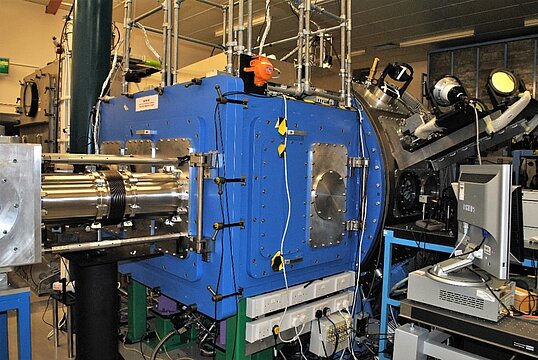
With the help of a plasma amplifier, an international team of physicists, including researchers from Heinrich Heine University Düsseldorf (HHU), has…
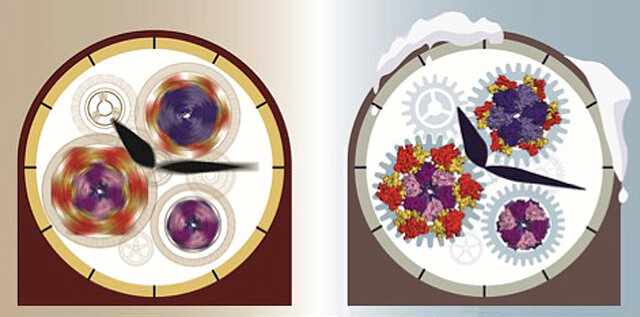
A team of German and Dutch researchers has unveiled the mechanism of one of the oldest biological clocks in Earth’s history in cyanobacteria. With the…
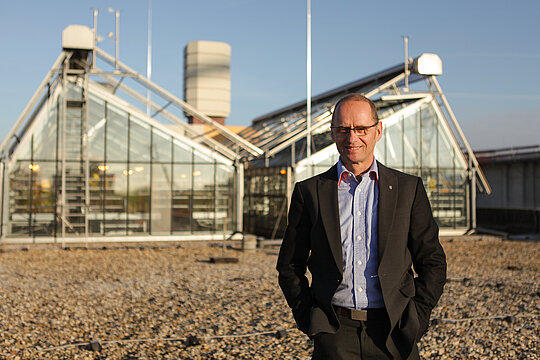
CEPLAS, the Cluster of Excellence at Heinrich Heine University Düs-seldorf (HHU), and the Collaborative Research Centre in the field of molecules and…
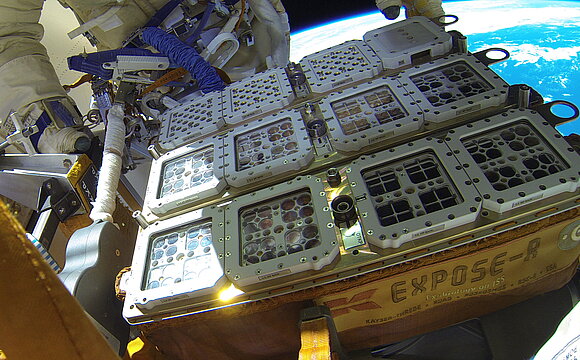
28.02.2017 – On 23 July 2014, Düsseldorf biologist Professor Sieglinde Ott sent the lichen Buellia frigida found in Antarctica to the International…
Prof. Dr. Justus Haucap, head of the Düsseldorfer Instituts for Competition Economics (DICE), was honoured with the Gustav-Stolper-Award 2015 during…